
Google Shopping Ads Are Launching in 15 New EMEA Markets in 2026
Google Shopping is expanding. In 2026, Shopping Ads will go live in 15 new EMEA markets across two waves. For merchants already selling cross-border into Central and Eastern Europe, the Baltics, and the Balkans, this opens a visual Shopping channel that didn’t exist before.
Here’s what’s happening, what it means for your campaigns, and how to prepare.
What’s changing
Google is rolling out Shopping Ads in 15 additional EMEA countries in two waves:
Wave 1 (before Back to School 2026): Cyprus, Luxembourg, Moldova, North Macedonia, Malta, and Liechtenstein.
Wave 2 (before the Holiday season 2026): Bulgaria, Croatia, Lithuania, Slovenia, Serbia, Bosnia and Herzegovina, Montenegro, Estonia, and Latvia.
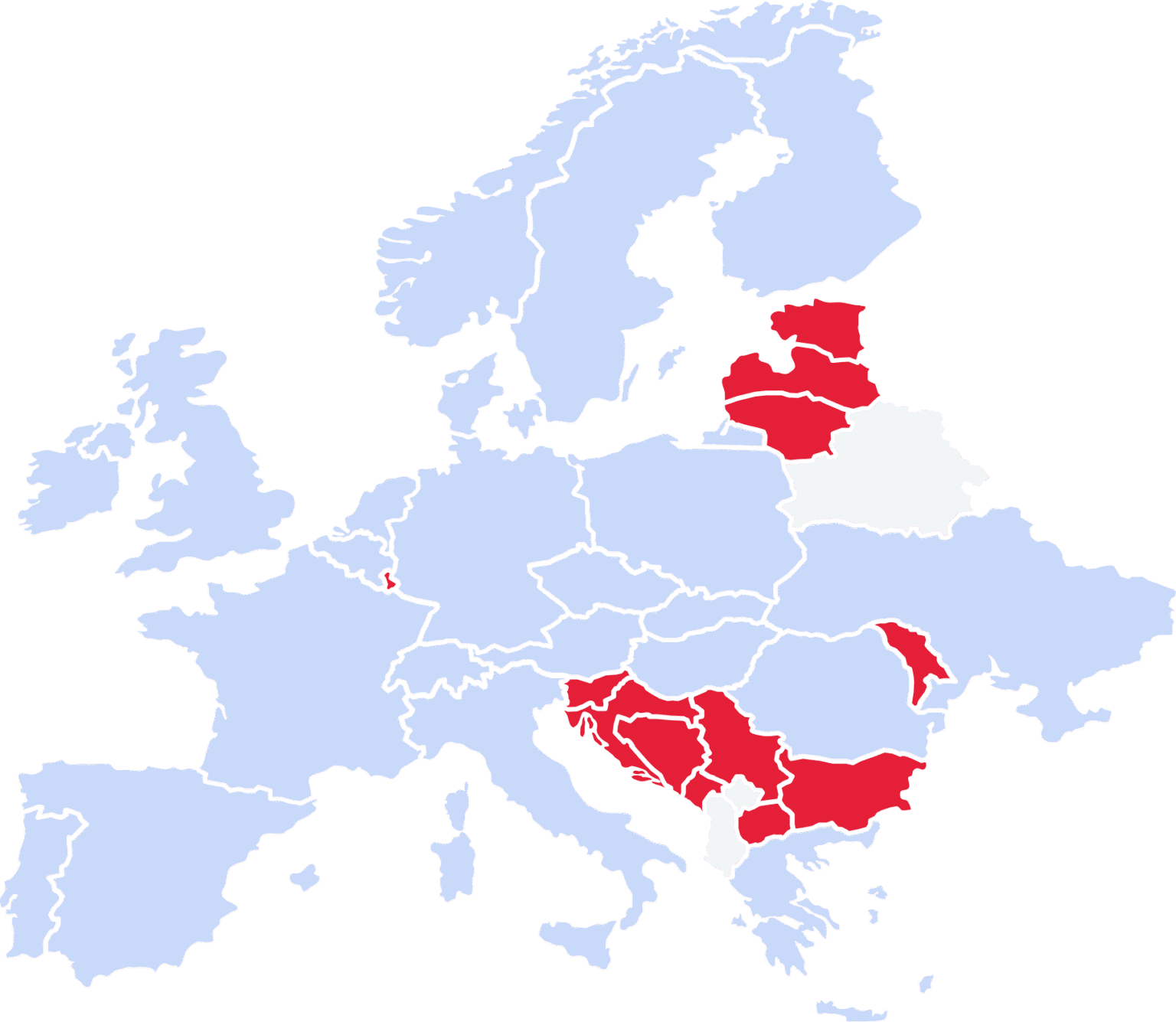
More specific launch dates will follow from Google. The timeline is tied to two of the biggest retail moments of the year, which tells you something about Google’s intent: they want merchants active and spending in these markets during peak demand.
Why this matters
Until now, merchants selling into these countries had limited options for paid search visibility. Standard text ads, no visual Shopping carousel. That changes with this rollout.
For merchants who already ship to these countries, the logistics and demand are already there. What’s been missing is a performance channel to capture Shopping intent efficiently.
For merchants considering cross-border expansion into CEE and the Balkans, this represents a tremendous commercial opportunity to tap in to. Google’s Shopping Ads are a proven channel to capture shopping demand, merchants active in or expanding to these regions should pay close attention.
The first-mover advantage
We’ve been managing Google Shopping campaigns across 21 EU markets for over a decade. Every time Shopping Ads have launched in a new country, the same pattern plays out.
In the first months after launch, CPCs are low. Competition is thin. The auctions aren’t crowded. Merchants who activate early build conversion data and product-level quality scores that compound over time.
The merchants who wait until “it’s proven” enter a more competitive, more expensive auction. They pay more for the same level of visibility because the early movers already have a data advantage.
If you’re already shipping to these markets, ensure you are among the first movers.
What you need to prepare
Being live in a new Shopping market on day one requires preparation. Here’s what matters.
Local-language product feeds. Your product titles and descriptions need to be in the local language, not just machine-translated from your primary market. Titles need to be rich in context (30+ characters minimum), and descriptions should be detailed enough for Google’s algorithms to match your products to the right queries. This matters even more now that AI Mode is expanding the range of queries Shopping Ads can match against.
Competitive local pricing. Shoppers in Croatia or Bulgaria have different price expectations than shoppers in Germany or the Netherlands. Simply converting your EUR prices doesn’t cut it. Audit your pricing for each market and factor in local purchasing power.
Shipping and returns that match local expectations. Google increasingly uses shipping speed, return policies, and delivery transparency as ranking signals in Shopping. Make sure your feed includes accurate shipping information for each new market. Slow or unclear delivery to CEE markets will hurt your campaign performance.
A Google Merchant Center setup that covers the new countries. If you’re already running Shopping in other EU markets, adding new target countries is operationally straightforward. But it still needs to be done, tested, and verified before launch day.
A campaign partner who already operates in these regions. If you’re working with a CSS partner or agency, confirm they can activate in these markets from day one. New market launches are operationally intense in the first few weeks: feed issues surface, bidding needs to be calibrated, and local competitive dynamics take time to learn. Having a partner who has done this before across multiple EU markets makes a material difference.
Want to learn more about how to structure your product feed with the correct identifiers? Read Product feed identifiers explained: GTIN, MPN, and EAN.
What this means for CSS strategy
For merchants already working with a CSS in their core markets, extending to 15 new countries is a natural next step. The same auction mechanics apply: Google deduplicates bids at the merchant level, so adding a CPA-based CSS partner in these new markets generates incremental visibility without increasing your CPCs.
For merchants who aren’t yet working with a CSS partner, new market launches are actually a good time to start. Competition is low, so a performance-based partner can generate meaningful visibility and conversion volume quickly.
Shoparize’s pay-per-sale model is particularly well suited to new market entry. You don’t know yet what CPCs will stabilise at, which product categories will perform, or how conversion rates will compare to your core markets. A CPA model absorbs that uncertainty. Your CSS partner takes on the click cost risk and only gets paid when products sell.
The timeline to act
Google hasn’t published exact launch dates yet, only that Wave 1 goes live before Back to School and Wave 2 before the Holiday season. As the preparation work (localised feeds, local pricing, Merchant Center configuration, CSS partner alignment) takes time, and the merchants who have it done before launch day will activate immediately while everyone else is still setting up, preparations should start in Q2. If you’re selling into any of these 15 markets, Get in touch with our team and we’ll make sure you’re ready to go live from day one.
At Shoparize, we manage Google Shopping campaigns for 25,000+ merchants across 21 EU markets on a pay-per-sale basis. Launching in new Shopping markets is something we’ve done repeatedly, and we know what separates a strong launch from a slow one.
We’ll be ready to activate in all 15 new markets from day one. If you’re a merchant selling into Central and Eastern Europe, the Baltics, or the Balkans and want to capture this opportunity early, get in touch with our team.
Ready to prepare your campaigns ahead of launch? Get started here
Want to discuss what this means for your Shopping strategy? Reach out to our team