
Google Shopping Ads Are Launching in 15 European Markets: What to Prepare Before Launch
Google Shopping Ads are expanding to 15 new European markets in 2026, opening new Shopping ad inventory in markets where merchants already ship but can’t yet run Google Shopping campaigns.
The rollout is expected in two waves. The first, planned for summer 2026 before the Back to School season, includes Cyprus, Luxembourg, Moldova, North Macedonia, Malta and Liechtenstein. The second, planned for autumn 2026 before Q4, includes Bulgaria, Croatia, Lithuania, Slovenia, Serbia, Bosnia and Herzegovina, Montenegro, Estonia and Latvia.
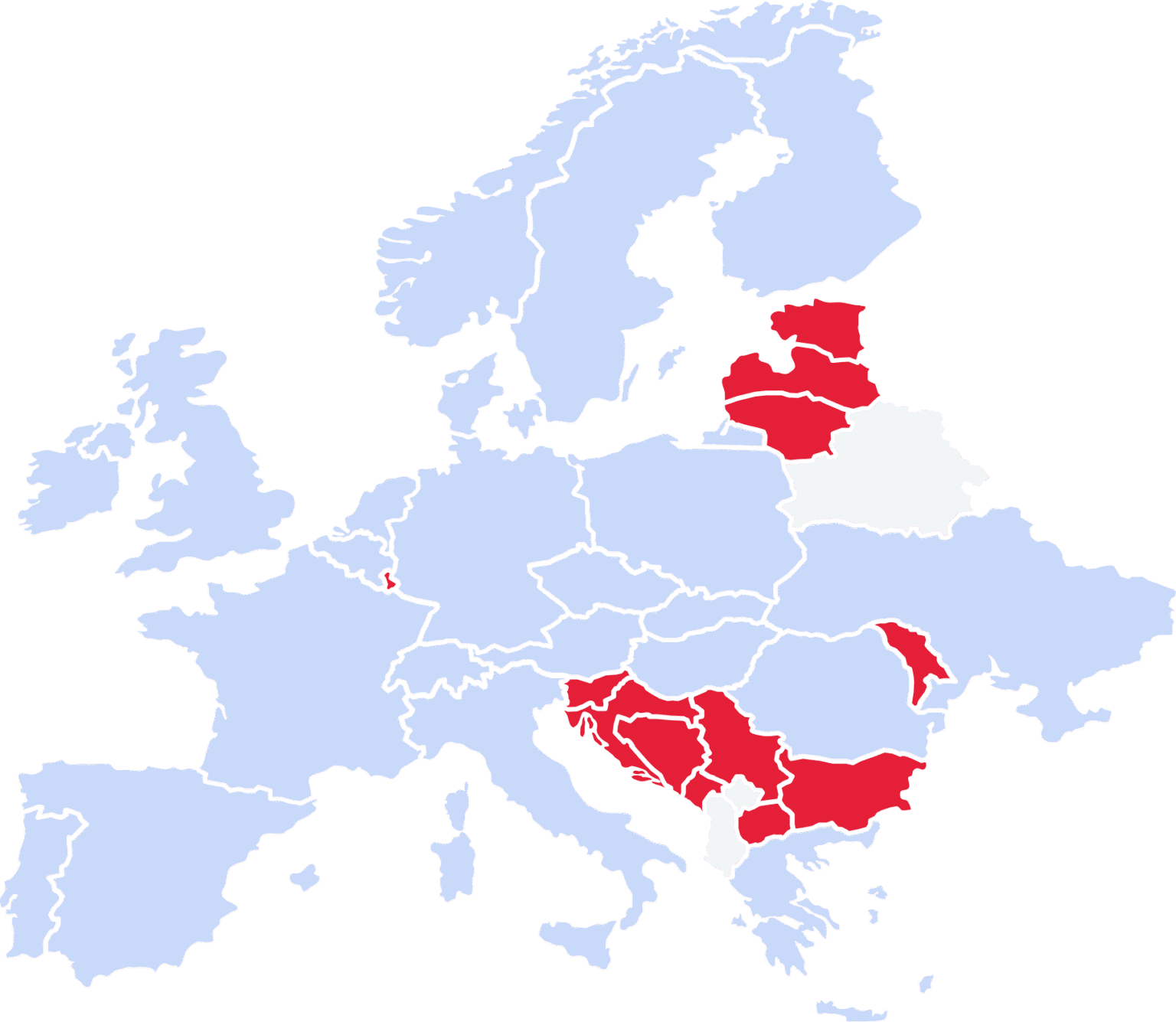
A clean launch in any of these markets depends on four areas being ready before day one.
1. Local-language product feeds
In markets such as Bulgaria, Croatia, and Latvia, shoppers search in their own language, and Google requires the feed, landing pages and checkout to match. Titles, category names, sizes, materials, key attributes and delivery wording all shape the first read of the offer.
CSA Research found that 76% of online shoppers prefer to buy in their own language. For a merchant launching in these markets, that makes local-language feeds both a compliance requirement and a direct conversion factor.
2. Pricing set correctly per market
Start with the operational layer: currency, VAT, landing page price and checkout price should be correct and consistent per market; then look at the commercial picture. The same product price lands differently with shoppers in Croatia, Bulgaria, Latvia or Serbia depending on local competitors, marketplace activity, delivery costs, purchasing power, category expectations and common promotional patterns.
3. Shipping and returns mapped per country
Shipping and returns need to be set at country level in Merchant Center and the product feed, with clear coverage across delivery cost, delivery window, free-shipping threshold, return terms, carrier logic and product-level exceptions.
Google’s placement models factor in shipping confidence, which depends on whether the cost, speed and delivery window shown in the feed match what appears on the website, at checkout and in order tracking. When those don’t align, the problems compound: approval checks, cost mismatches and unclear delivery promises affect offer presentation and placement before the campaign has had any chance to calibrate.
4. CSS partner confirmed for day one
The first weeks of a Shopping launch carry the most moving parts: product approvals, feed fixes, bidding configuration, local competitors and early performance reads all move at once.
If a CSS partner is part of the setup, confirm the operational details before launch: which markets can be activated, when campaigns can go live, how feed or approval issues will be handled, and what support will be available during the first weeks.
Ready from day one
Shoparize manages Shopping campaigns for 25,000+ merchants across 21 European markets on a pay-per-sale basis. For Google’s 2026 expansion, we’ll be operational in all new markets from launch. If you already ship or are expanding to Central and Eastern Europe, the Baltics or the Balkans, speak to our team.